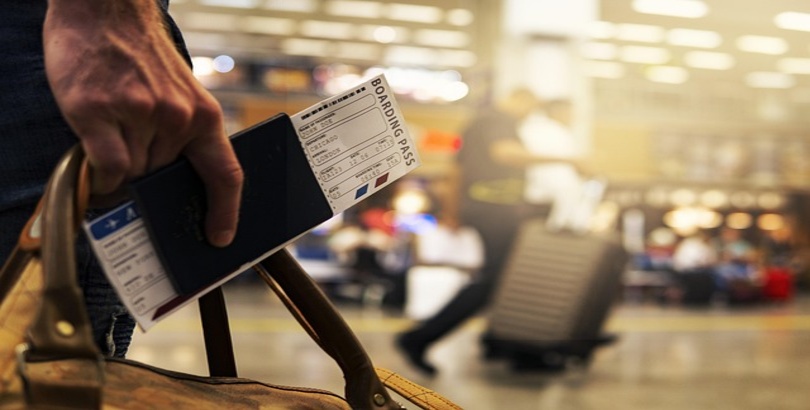
It is an exciting experience to move abroad. Whether you are a digital nomad, remote worker, retiree, entrepreneur, or expat employee, the focus is often on flights, housing, and exploring a new destination. However, one of the most important parts of any international move occurs long before boarding the plane: organizing your documents. The documents every global nomad needs before moving abroad can determine whether an international relocation goes smoothly or becomes filled with delays and complications.
Unexpected delays in visas, residency permits, healthcare access, and even entry into your destination country can occur due to missing paperwork. In some cases, a single missing document can undermine months of planning.
One lesson many seasonal travelers learn is that being prepared saves time, money, and stress. For instance, I was asked to show an email of my direct flight on my phone, which I had saved in my email. On my phone, I had digital copies of important documents and flight tickets, making it easy for me to move through the airport and preventing a stressful citation.
The following documents are crucial for anyone planning a long-term move overseas.
1. Passport and Residency/Visa Documentation
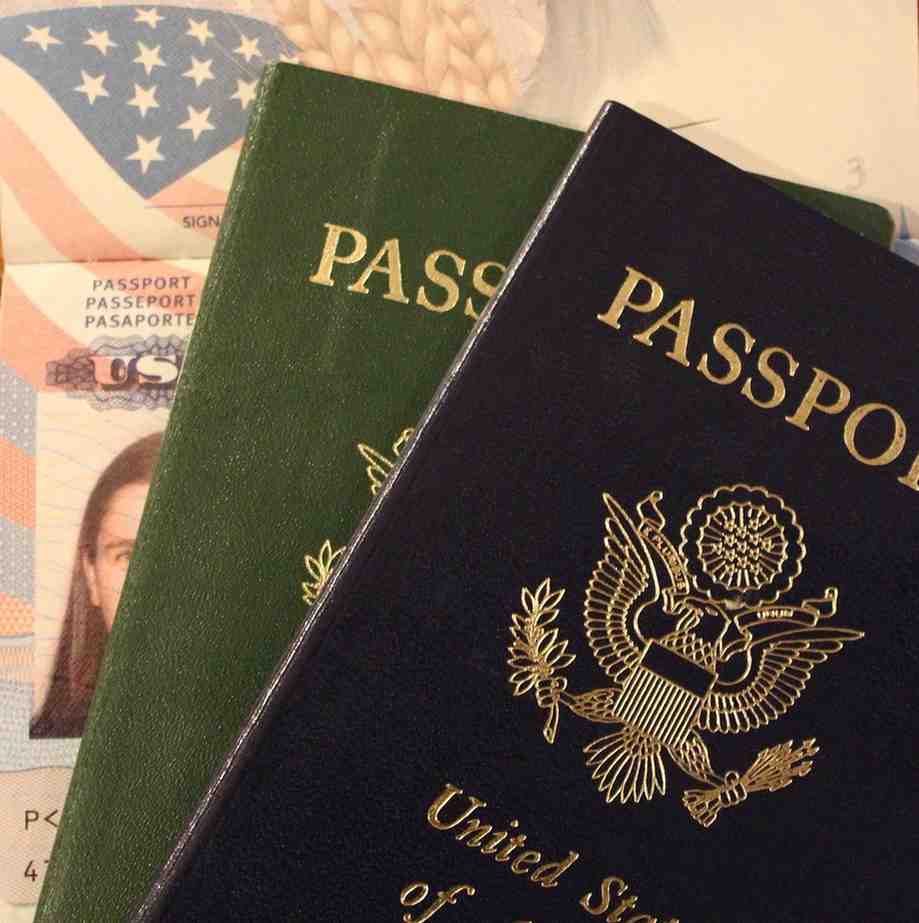
The passport is the foundation of international relocation. Before amending your plans, be sure your passport is valid for at least 6 to 12 months beyond your intended stay. Many countries have Thai requirements, and some also require multiple blank pages for visas and entry stamps.
Visa requirements vary significantly between countries. For example, digital nomad visas have become increasingly popular. Still, many governments require applicants to provide supporting documentation, including proof of income, criminal background checks, employment verification, bank statements, and evidence of health insurance coverage.
If you are planning a long-term stay, research residency permits, work permits, and visa renewal requirements well in advance. Moreover, immigration rules can change quickly, and processing times are often longer than expected.
A common mistake among new expats is thinking that entering a country and legally residing there are the same thing. However, in many countries, there are separate requirements for temporary residency, long-term residency, and employment authorization.
It is crucial to keep both physical and digital copies of all visa approvals, residency permits, and passport identification pages, as it can help prevent problems if documents are ever lost or stolen.
2. International Health Insurance Documents Every Global Nomad Needs
Healthcare records remain among the most important documents every global nomad needs when relocating overseas.
Many countries are now requiring proof of international health insurance as part of their visa or residency application process. Even when it is not mandatory, solely depending on a domestic health plan can leave significant coverage gaps once you move overseas.
Important healthcare documents include your insurance certificate, policy wording, emergency contact information, digital insurance cards, vaccination records, and prescription documentation.

When you have these documents readily available, they are invaluable. For example, some hospitals and clinics require proof of coverage before treatment starts, particularly for non-emergency procedures or hospital admissions.
If you take prescription medications, make sure to carry copies of prescriptions and have documentation from your physician. On the other hand, certain medications that are common in one country may face restrictions in another.
Those relocating to remote destinations should have emergency medical evacuation coverage, as it is essential. Access to specialized care may require transportation to another city or country.
Before moving abroad, it is best to review your healthcare needs with an experienced international insurance specialist who understands expat coverage requirements.
Read more: 7 Questions About Healthcare Every Expat Should Ask
3. Financial and Tax Documents Every Global Nomad Needs
Financial paperwork often becomes important sooner than many expats expect.
For instance, opening a bank account, renting an apartment, obtaining financing, and applying for residency often require proof of income and financial stability. Having organized records makes these processes much easier.
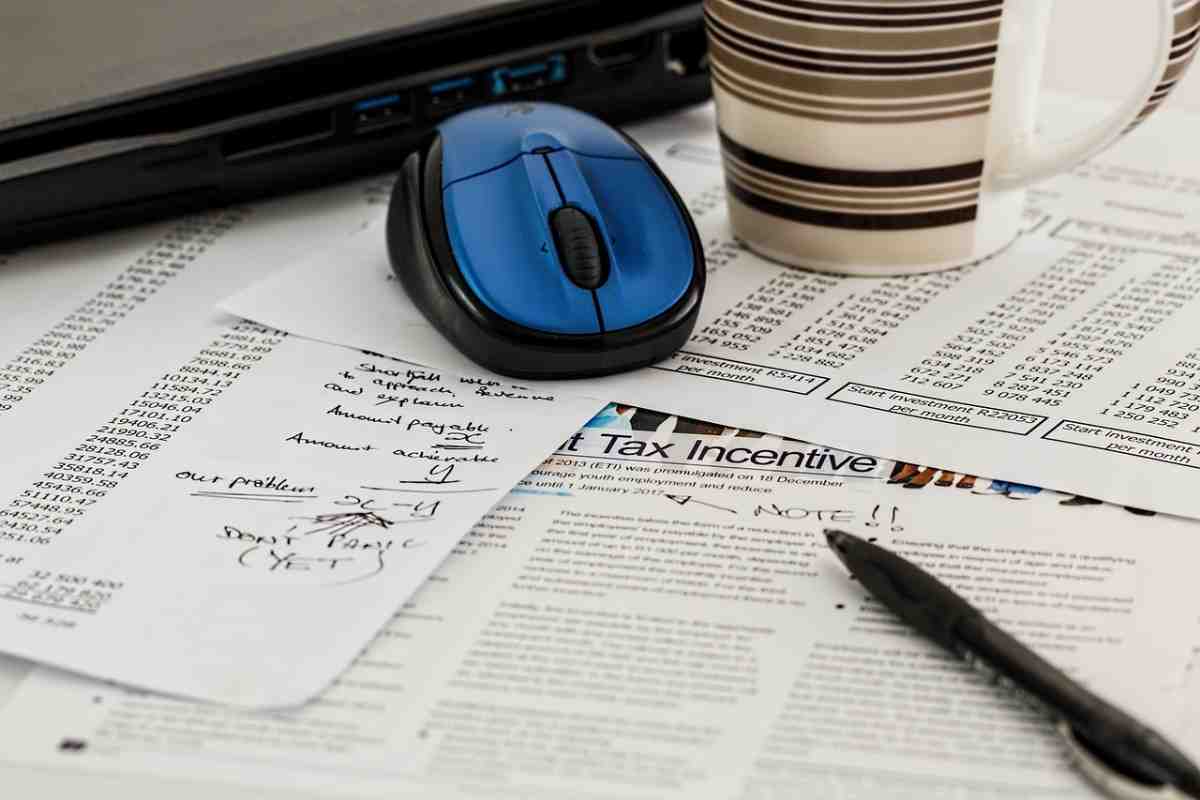
Key documents include recent tax returns, bank statements, employment contracts, pension records, investment account information, and, if you operate a business, corporate ownership documents.
Many digital nomad visa programs require applicants to show a minimum monthly income. Also, having several months of bank statements and income verification ready in advance can make the application process smoother.
Tax obligations can also become more complicated when living internationally. But, depending on your citizenship, residency status, and income sources, you may be required to file tax returns in multiple jurisdictions.
Overall, maintaining organized records at the start of the month can help reduce complications and make future tax reporting much easier.
4. Legal and Identity Documents Every Global Nomad Needs
Many people do not realize how frequently legal and identity documents are required after relocating abroad.
Birth certificates, marriage certificates, divorce records, adoption papers, name change documents, driver’s licenses, and international driving permits might all be required at different stages of your relocation journey.
Additionally, these documents could be important when enrolling children in school, accessing healthcare services, registering vehicles, obtaining residency permits, or completing local government applications.
Some countries also require official translations, notarization, or apostille certification before accepting foreign documents. Since obtaining these certificates can take time, it is often easier to complete the process before departure.
A smart strategy is to carry certified copies while simultaneously maintaining secure digital backups in encrypted cloud storage.
5. Employment and Education Records
Professional and educational records can open doors to employment opportunities abroad and support immigration applications.
Documents worth bringing include university degrees, transcripts, professional certifications, employment reference letters, resumes, criminal record checks, and industry-specific licenses.
On the other hand, certain professions require credential verification before someone can legally work in a new country. Teachers, healthcare professionals, engineers, and financial professionals often encounter these requirements.
Even if you are moving abroad as a digital nomad instead of seeking local employment, these records can still be useful when pursuing freelance contracts, consulting opportunities, or future visa applications.
If you expect to work in a country where English is not widely used, you should consider obtaining certified translations of key qualifications before leaving.
Bonus Document, Your Global Health Insurance Card and Policy Information
Despite health insurance already being important enough to appear on this list, many expats understand how crucial it is to carry their insurance card and policy details at all times.
In times of medical emergencies, having immediate access to your insurance information can save valuable time. Essential items include your insurance identification card, emergency assistance phone numbers, policy certificate, claims procedures, hospitalization authorization requirements, and medical evacuation contacts.
Around the world, healthcare systems differ. In some destinations, hospitals may require proof of insurance or payment arrangements before providing treatment.
Of course, to get a global health insurance policy card, you have to buy a policy. You can get a quote HERE!
Global nomads who frequently move between countries should store digital copies on a smartphone and in secure cloud storage to provide an extra layer of protection.
Digital Backup Strategy
Creating digital backups is one of the smartest ways to protect the documents every global nomad needs while living internationally.
Before departing, it is crucial to scan passports, visas, insurance certificates, financial records, and identity documents. Additionally, store copies in an encrypted cloud storage and maintain backup versions on a secure device.
It is also smart to keep emergency contact information separate from your primary documents. If you lose your wallet, your phone, or your luggage, you will still be able to access critical information.
Conclusion
Relocating abroad involves far more than just booking flights and finding a place to live. Having proper documentation is very important in ensuring a smooth transition and avoiding stressful situations.
From passports and visas to healthcare records, financial paperwork, legal documents, and employment credentials, every document has a purpose throughout your global journey.
Moreover, preparing these materials before departure can reduce visa delays, healthcare complications, banking problems, residency challenges, and legal frustrations.
Ultimately, a well-prepared global nomad is far more likely to have an enjoyable, successful and rewarding life abroad.
Written by: Mark Tompkins – a recent graduate of SFU with a keen interest in travel and expatriate life abroad.