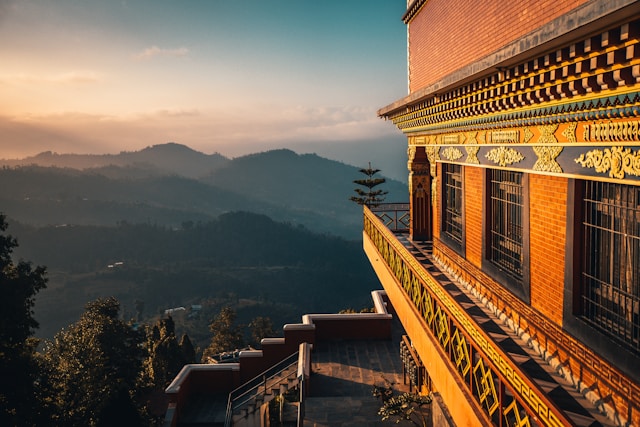
Located in the Eastern Himalayas between India and Tibet, Bhutan is one of the world’s most captivating and culturally distinct destinations. Often referred to as the “Last Shangri-La,” this small kingdom offers something incredibly hard to find in modern travel: authenticity, spiritual depth, environmental purity, and a deliberate rejection of mass tourism.
If you want a destination that is transformational rather than entertaining, here are 12 reasons to travel to Bhutan.
1. Gross National Happiness: A Country Built on Well-Being
One of Bhutan’s most famous aspects is its philosophy of Gross National Happiness (GNH). Unlike most countries that measure progress solely on economic growth, Bhutan prioritizes spiritual well-being, environmental stability, good governance, and cultural preservation.
Instead of feeling commercialized or overdeveloped, Bhutan feels intentional, and tourism is managed through a “high-value, low-volume” tourism policy, ensuring the country is preserved while visitors enjoy a high-quality, incredible experience.
Travelling to Bhutan is not just about sightseeing; it is stepping into a different way of thinking about success, a community, and life itself.
2. Travel to Bhutan and Visit The Iconic Tiger’s Nest Monastery (Paro Taktsang)
No trip to Bhutan is complete without visiting the Tiger’s Nest Monastery, also known as Paro Taktsang. Perched 900 meters above the Paro Valley, this sacred Buddhist monastery hangs impossibly from a cliffside.
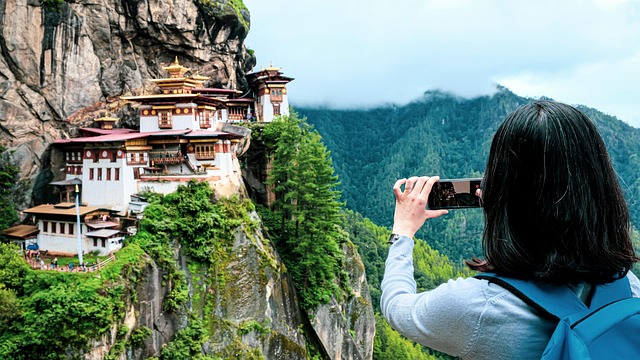
According to legend, the Guru Rinpoche (Padmasambhava) flew here on the back of a tigress and meditated in a cave in the 8th century. Today, visitors hike through pine forests and prayer flag-lined trails to reach one of the world’s most iconic spiritual landmarks. My father visited Bhutan last year and hiked up to the Tiger’s Nest. It is not that difficult, assuming you are in good or average health. Because of the higher altitude, it makes sense to make this trek at the end of your trip to Bhutan to allow for altitude acclimatization.
Ultimately, this journey is transformative, and the thin mountain air, fluttery prayer flags, and sweeping Himalayan views contribute to my powerful sense of serenity and awe.
3. Pristine Himalayan Landscape
Bhutan’s natural beauty is breathtaking, and over 70% of the country is covered in forest, making it one of the world’s few carbon-negative nations.
From the Himalayan glacier peaks to the lush subtropical valleys, the landscape is diverse, with highlights including:
- The peaceful Phobjikha Valley
- The panoramic Douchula Pass, adorned with 108 memorial chortens
- Terraced rice fields in Punakha
- Remote, solo trekking routes such as the Snowman Trek
If you admire mountain scenery, clean air, and untouched wilderness, Bhutan offers a level of purity increasingly difficult to find in global travel.
4. Deep Spiritual and Buddhist Heritage
Bhutan is one of the last remaining Vajrayana Buddhist kingdoms in the world. For example, monasteries, stupas, and prayer wheels are in every valley; monks chant in ancient temples; and daily life flows in rhythm with spiritual traditions.
Visiting Punakha Dzong, considered one of the country’s most beautiful fortress-monasteries, offers a sense of the religious life and Bhutanese architecture. Located on the confluence of two rivers, it is a spiritual center and a historical landmark.
On the other hand, in Thimpu, you can explore the massive Buddha statues, visit monastic schools, and observe monks in debate sessions.
Bhutan is not just culturally Buddhist, as spirituality is woven into daily life. For travelers seeking mindfulness, reflection, or spiritual exploration, Bhutan offers plenty of depth.
5. Travel to Bhutan During Vibrant Tshechu Festivals
Bhutan’s Tshechu festivals are among the most culturally authentic events in Asia. These are held annually in various districts; the multi-day celebrations feature elaborate costumes, masked dances, sacred rituals, and communal gatherings.
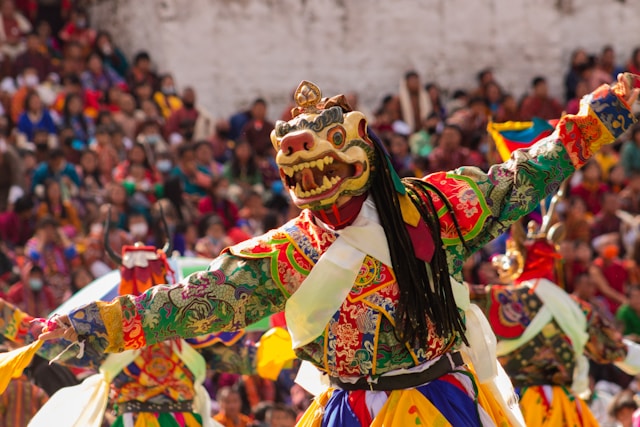
Additionally, the Paro Tshechu and the Trimphu Tshechu are particularly popular. Monks and lay performers reenact religious stories through masked cham dances, believed to cleanse negative karma and bestow blessings.
Unlike staged tourist performances elsewhere, these festivals are meaningful to local communities, and attending a tschedu enables you to see Bhutanese culture in its most vibrant, living form.
6. Unique Architecture and Dzongs
Bhutanese architecture is easily recognizable, and massive whitewashed fortress monasteries called dzongs dominate the river valleys and ridgelines.
These structures are administrative and religious functions, and are known for their intricate woodwork, hand-painted motifs, and golden rooftops, making them architectural masterpieces.
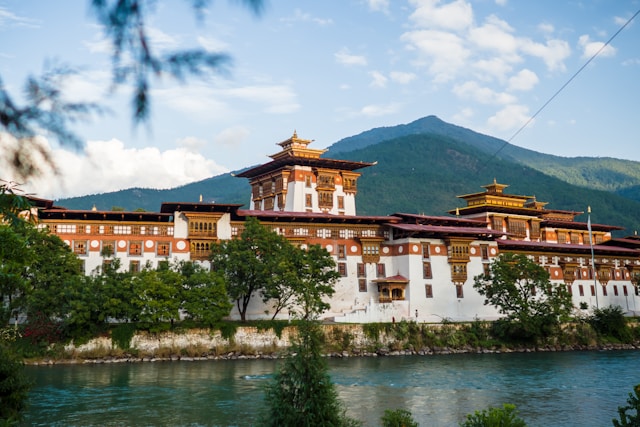
Moreover, even modern buildings must follow traditional design guidelines, thereby helping preserve Bhutan’s cohesive aesthetic. Also, there are zero billboards, no skylines, and minimal visual pollution.
If you’re a traveler who likes cultural preservation and architectural harmony, Bhutan feels refreshingly timeless.
7. Authentic Culture and Traditional Dress
In Bhutan, national dress is daily wear, where men wear the Gho and women wear the Kira, especially in official settings and schools.
Unlike most destinations where tradition feels outdated, Bhutanese culture remains part of daily life. For example, archery is the national sport, and Red rice and ema datshi (chilli cheese stew) are local cuisine staples. Handwoven textiles are also still crafted using centuries-old techniques.
Overall, visitors often report that Bhutan feels genuine rather than curated for tourists, and this authenticity is one of the country’s greatest strengths.
8. Limited Tourism Means No Overcrowding
Bhutan strictly controls tourism through a daily Sustainable Development Fee, meaning travel costs are higher than in neighbouring countries. However this ensures:
- Minimal overcrowding
- Well-maintained sites
- Professional local guides
- Sustainable infrastructure
You won’t find mass tour buses or aggressive street vendors, but you will experience tranquil monuments, scenic hiking trails, and authentic interactions with locals.
For travelers wanting off-the-beaten-path destinations, Bhutan has exclusivity without pretension.
9. Travel to Bhutan for Adventure and Trekking Opportunities
If you’re an adventure seeker, then Bhutan is a Himalayan Playground, with popular trekking sites such as:
- The Druk Path Trek
- The Jomolhari Trek
- The famous Snowman trek (one of the world’s hardest high-altitude routes)
Other activities include river rafting in Punakha, mountain biking, and high-altitude camping. Since tourism numbers are limited, trails remain uncrowded and pristine.
10. Safety and peacefulness
Additionally, Bhutan consistently ranks among Asia’s safest countries, where violent crime is extremely rare, and locals are known for their hospitality and warmth.
On the other hand, the calm atmosphere is incredible, and there are no traffic lights in Trimphu, as traffic is manually directed. Overall, life moves intentionally, peacefully, and slowly.
Whether you’re a solo traveler, a couple, or a cultural explorer, Bhutan provides comfort and tranquility.
11. Travel to Bhutan for a Digital Detox
Wi-fi exists in Bhutan, but the experience is naturally convincing when it comes to disconnecting. However, there are no nightlife scenes, shopping malls, or commercial districts, making travelers usually feel more present.
Just imagine embarking on:
- Morning meditation in a monastery
- Silent forest hikes
- Watching prayer flags flutter against the Himalayan peaks
- Sharing tea with monks
Moreover, Bhutan is an excellent spot for digital redox, personal reset, and reflection.
12. It Feels Like Stepping Back in Time
One of the best reasons to visit Bhutan is how different it feels compared to many other destinations. For example, there are no multinational fast-food chains, minimal advertising, and a deep respect for heritage.
While there is moisture, it does not dominate the atmosphere.
If you’re a seasoned traveler who has explored much of Southeast or South Asia, Bhutan feels very different, offering a unique blend of spiritual depth, environmental purity, and cultural continuity.
Why Purchase Travel Medical Insurance?
Purchasing travel medical insurance before your trip helps protect you from unexpected and often high medical costs abroad. It ensures access to essential services like doctor visits, emergency care, and hospital stays without financial stress.
When traveling to places like Bhutan, it’s important to understand the Bhutan healthcare system. While basic care is available, facilities can be limited, and advanced treatment may require private care or evacuation. Choosing the right insurance option in Bhutan ensures you’re covered for emergencies, including medical evacuation if needed.
Overall, travel medical insurance gives you peace of mind, so you can enjoy your trip without worrying about unexpected health expenses.
Final Thoughts: Why Bhutan Should Be on Your Travel List
Travelling today often means encountering crowded attractions, over tourism, and filtered experiences, but Bhutan is very different because it offers meaningful travel rooted in sustainability, philosophy, and cultural integrity.
Whether you are intrigued by the breathtaking Himalayan landscapes, the sacred aura of Tiger’s Nest Monastery, the philosophy of Gross National Happiness, or the vibrant Tschechu festival, Bhutan delivers a transformative and humbling travel experience that you will never forget.
Ultimately, in a world where movies get faster every year, Bhutan allows you to slow down, making it one of life’s greatest gifts.
Written by Mark T., a Canadian travel and expatriate writer who enjoys discovering new cultures and cuisines. Based in Vancouver, he continues to expand his global perspective through study and travel.